
티스토리 뷰
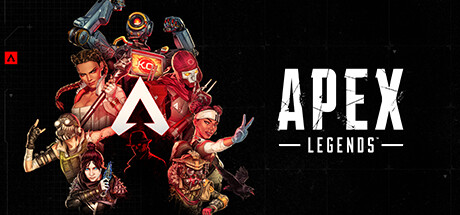
Apex Legends
Mechanics:
- Apex Legends has a wide range of mechanics that make it stand out from other battle royale games.
- For instance, the game allows players to choose from a range of Legends, each with their unique abilities, which adds a layer of strategy to the gameplay.
- The game also has a highly refined and balanced gunplay system, which is designed to provide a satisfying experience for players.
- The mechanics are well designed to reward players for skillful play while also making the game accessible to players of different skill levels.
Dynamics:
- Apex Legends' dynamics are highly influenced by its team-based gameplay.
- The game allows players to form teams and communicate with one another, which encourages cooperation and teamwork. The game also has a highly dynamic and fast-paced gameplay that is designed to create a sense of excitement and urgency.
- The game's map design and objective-based gameplay also create a sense of tension and unpredictability, which adds to the overall experience.
Aesthetics:
- Apex Legends' aesthetic design is futuristic and colorful, which creates a distinct visual style.
- The game's graphics are highly detailed and provide a sense of immersion in the game world.
- The game's sound design is also well done, with realistic weapon sounds and environmental noises that help to create a sense of immersion.
- The game's overall aesthetic design is cohesive and adds to the overall immersive experience.
Overall Design:
Apex Legends' overall design is focused on team-based gameplay and strategic decision-making. The game's main objective is to work together as a team to be the last squad standing. The game's pacing is well designed, with a sense of progression as players improve their skills and unlock new items. The game also provides feedback to players in the form of stats and rankings, which helps to motivate players to continue playing and improving.
In summary, Apex Legends is a well-designed game that leverages the MDA framework to create an engaging and fun experience for players. The game's mechanics, dynamics, aesthetics, and overall design work together to create a fast-paced, strategic, and team-based experience that keeps players coming back for more.
PUBG

Mechanics:
- PUBG's mechanics include a large open world, a shrinking play area, and the need to collect loot in order to survive. The mechanics are designed to create tension and a sense of urgency, as players must constantly keep moving and stay aware of their surroundings.
- The game also has a complex weapon system, with a variety of guns and attachments that can be used to gain an advantage over other players.
- The mechanics are well designed to challenge players, while also providing a sense of progression as players improve their skills and find better equipment.
Dynamics:
- PUBG's dynamics are heavily influenced by its multiplayer gameplay.
- The game allows players to form teams and communicate with one another, encouraging cooperation and teamwork. However, there is also an element of competition as players fight to be the last one standing.
- The game's shrinking play area creates a sense of urgency and forces players to confront each other, increasing the likelihood of conflict.
- The dynamic tension between cooperation and competition creates a unique gameplay experience that keeps players engaged and motivated.
Aesthetics:
- PUBG's aesthetic design is realistic and immersive.
- The game's graphics are detailed and provide a sense of immersion in the game world.
- The game's sound design is also well done, with realistic weapon sounds and environmental noises that help to create a sense of tension and urgency.
- The game's overall aesthetic design is cohesive and adds to the overall immersive experience.
Overall Design:
PUBG's overall design is well thought out and focused. The game's main objective is clear: be the last one standing. The game's pacing is well designed, with a sense of progression as players improve their skills and find better equipment. The game also provides feedback to players in the form of stats and rankings, which helps to motivate players to continue playing and improving.
In summary, PUBG is a well-designed game that leverages the MDA framework to create an engaging and fun experience for players. The game's mechanics, dynamics, aesthetics, and overall design work together to create a tense, immersive, and competitive experience that keeps players coming back for more.
CS:GO

Mechanics:
- Players must use various weapons to eliminate the enemy team or complete objectives
- Weapons have different stats such as damage, accuracy, and rate of fire
- Players can purchase weapons and equipment at the start of each round
- Players can move around the map and use cover to avoid enemy fire
- Players can communicate with their team to coordinate strategies and share information
- The game includes a variety of game modes, such as competitive, casual, and deathmatch
Dynamics:
- The game is highly competitive and requires strategic thinking and skillful gameplay
- The game rewards players for good performance with in-game currency that can be used to purchase better equipment
- The game requires players to work together as a team to achieve objectives and win rounds
- The game has a steep learning curve and requires players to practice and develop their skills over time
- The game is constantly evolving with new updates and changes to keep the gameplay fresh and engaging
Aesthetics:
- The game has a realistic and gritty aesthetic, with detailed maps and character models
- The sound design is crucial to gameplay, with players using sound cues to locate enemies and plan their actions
- The game creates a sense of tension and excitement as players engage in intense firefights and try to outsmart their opponents
- The game evokes a sense of accomplishment and pride when players win rounds or complete objectives
- The game has a dedicated community and competitive scene, contributing to a sense of identity and belonging among players
In summary, CS:GO can be analyzed through the MDA framework as a highly competitive game with a focus on strategic gameplay mechanics, dynamic challenges that require skill and teamwork, and a realistic and intense aesthetic. The game's mechanics are complex and require practice and skill development, but the dynamic challenges and rewards create a sense of depth and satisfaction. The aesthetics of the game contribute to its overall sense of tension and excitement, making it a popular and engaging game for players.
Rainbow Six Siege

Mechanics:
- Rainbow Six Siege has a complex and unique set of mechanics that are built around the idea of tactical gameplay.
- The game offers a range of operators, each with their unique gadgets and abilities, which players can use to gain a tactical advantage.
- The game also has a highly destructible environment, which allows players to create their paths and strategies.
- The mechanics are designed to provide players with a sense of agency and strategic depth, while also providing a learning curve for players to improve their skills.
Dynamics:
- Rainbow Six Siege's dynamics are heavily influenced by its objective-based gameplay and team-based cooperation.
- The game requires players to work together to complete the objective while providing ample opportunities for players to outsmart and outplay their opponents.
- The game's destructible environment and gadgets also create a sense of tension and unpredictability, which adds to the overall experience.
Aesthetics:
- Rainbow Six Siege's aesthetic design is realistic and grounded, which creates a sense of immersion in the game world.
- The game's graphics are highly detailed, and the sound design is well done, providing a sense of realism to the game's audio.
- The game's overall aesthetic design is cohesive and adds to the overall immersive experience.
Overall Design:
Rainbow Six Siege's overall design is focused on tactical gameplay and strategic decision-making. The game's main objective is to work together as a team to complete the objective, which requires careful planning and communication. The game's pacing is well designed, with a sense of progression as players improve their skills and unlock new operators. The game also provides feedback to players in the form of stats and rankings, which helps to motivate players to continue playing and improving.
In summary, Rainbow Six Siege is a well-designed game that leverages the MDA framework to create an engaging and tactical experience for players. The game's mechanics, dynamics, aesthetics, and overall design work together to create a tactical, teamwork-oriented experience that rewards players for strategic thinking and careful planning.
Overwatch

Mechanics:
- Overwatch has a variety of mechanics, including movement, shooting, abilities, and ultimate abilities.
- Players can choose from a roster of heroes, each with their own unique set of mechanics, which allows for a lot of depth and variety in gameplay.
- The mechanics are designed to be intuitive and easy to learn, but difficult to master, which encourages players to invest time in the game and improve their skills.
Dynamics:
- The dynamics of Overwatch focus on team-based gameplay, with two teams of six players competing against each other to complete objectives or eliminate the opposing team.
- The game has a strong focus on cooperation and coordination, with different heroes complementing each other's abilities and weaknesses.
- There are also various modes and maps that provide different gameplay experiences, from escort missions to control points, which keeps the game feeling fresh and engaging.
Aesthetics:
- Overwatch has a vibrant and colorful aesthetic, with stylized character designs and a wide variety of maps set in locations around the world.
- The game's visuals and audio are designed to be both visually appealing and immersive, with detailed sound effects and music that heighten the player's emotional response.
- The game also has a strong focus on storytelling, with animated shorts and in-game events that expand on the lore and history of the Overwatch world.
Overall,
Overwatch is a highly successful game that effectively implements the MDA framework. The game's mechanics are well-designed and balanced, the dynamics of team-based gameplay provide a challenging and engaging experience, and the aesthetics are visually appealing and immersive. The game has a strong emphasis on fun, but also offers other emotional experiences such as competition, cooperation, and storytelling. The MDA framework can be a useful tool for analyzing and designing games, and Overwatch is a great example of a game that successfully incorporates this framework into its design.
Valorant

Mechanics:
- Valorant has a unique set of mechanics that are built around the idea of tactical, team-based gameplay.
- The game offers a range of agents, each with their unique abilities, which players can use to gain a tactical advantage.
- The game's shooting mechanics are precise and heavily focused on headshots, with a range of weapons available to players.
- The game also includes a buy system, which requires players to manage their economy throughout the match. The mechanics are designed to provide players with a sense of skill and precision, while also requiring strategic thinking.
Dynamics:
- Valorant's dynamics are heavily influenced by its objective-based gameplay and team-based cooperation.
- The game requires players to work together to complete the objective while providing ample opportunities for players to outsmart and outplay their opponents.
- The game's agents and abilities create a sense of tension and unpredictability, which adds to the overall experience.
- The game's economy system also creates a sense of tension and strategy, as players must carefully manage their resources.
Aesthetics:
- Valorant's aesthetic design is a mix of futuristic and anime-inspired elements, which creates a sense of style and uniqueness.
- The game's graphics are highly stylized, with bright colors and flashy effects, which adds to the overall immersive experience.
- The sound design is also well done, providing a sense of realism to the game's audio.
- The game's overall aesthetic design is cohesive and adds to the overall experience.
Overall Design:
Valorant's overall design is focused on tactical gameplay and strategic decision-making. The game's main objective is to work together as a team to complete the objective, which requires careful planning and communication. The game's pacing is well designed, with a sense of progression as players improve their skills and rank up. The game also provides feedback to players in the form of stats and rankings, which helps to motivate players to continue playing and improving.
In summary, Valorant is a well-designed game that leverages the MDA framework to create an engaging and tactical experience for players. The game's mechanics, dynamics, aesthetics, and overall design work together to create a team-oriented experience that rewards players for skill, strategy, and communication.
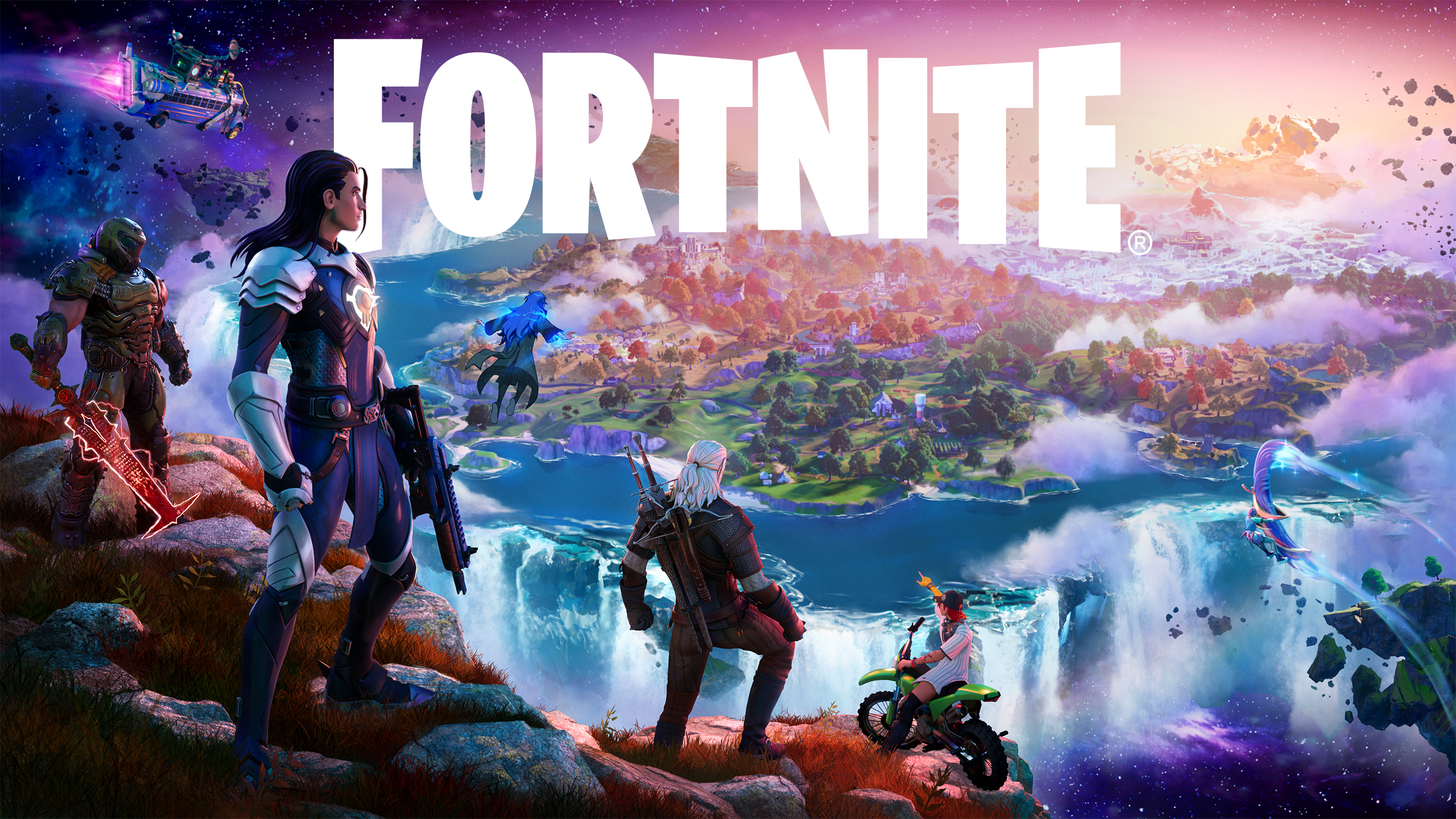
Fortnite
Mechanics:
- Fortnite's mechanics are primarily focused on building and shooting.
- Players can gather resources to construct structures and fortifications, which they can use to defend themselves or gain a tactical advantage.
- The shooting mechanics are relatively simple, but the game's wide variety of weapons and gear provides players with plenty of options for customization and experimentation.
- Additionally, the game's constantly changing map and gameplay elements provide a sense of unpredictability and challenge.
Dynamics:
- Fortnite's dynamics are heavily influenced by its battle royale gameplay.
- The game requires players to be constantly aware of their surroundings, as the map shrinks over time, forcing players into increasingly tighter quarters.
- The game's building mechanics also create a sense of tension and strategy, as players must balance their resources between building and defending.
- The game's challenges and events also create a sense of community and shared experiences among players.
Aesthetics:
- Fortnite's aesthetic design is a unique blend of cartoonish and surreal elements.
- The game's colorful graphics and whimsical design create a sense of lightheartedness and fun, which contrasts with the intense gameplay.
- The game's sound design is also well done, with a range of different sound effects that add to the overall immersive experience.
Overall Design:
Fortnite's overall design is focused on creating a sense of community and shared experiences among players. The game's battle royale gameplay and constantly evolving challenges and events provide players with a sense of excitement and unpredictability. The game's social elements, such as the ability to play with friends and communicate through voice chat, also contribute to the overall experience. The game's ranking and progression systems also create a sense of accomplishment and reward for players.
In summary, Fortnite is a well-designed game that leverages the MDA framework to create a unique and engaging experience for players. The game's mechanics, dynamics, aesthetics, and overall design work together to create a sense of community and shared experiences, while also providing a fun and challenging gameplay experience.
<Related posts>
[Game Design] Understanding Game Design with the MDA Framework
'게임 전반' 카테고리의 다른 글
| Global Top Shooter : Core Play Mechanics (0) | 2023.02.24 |
|---|---|
| Global Top Shooter : Launching Marketing (0) | 2023.02.23 |
| [Game Design] Understanding Game Design with the MDA Framework (0) | 2023.02.22 |
| [토치라이트 빌드] 버서커 점프공격 (0) | 2022.10.22 |
| [스크랩] PvP Gun Shooter : CSGO Stat (0) | 2021.10.06 |
- Total
- Today
- Yesterday
- 게임뉴스
- ps5
- AimBot
- game development
- 이스케이프 프롬 타르코프
- ESP
- Wallhack
- 핵대응
- Fornite
- PUBG
- apex legends
- unrealengine
- game design
- Game
- FPS
- 월핵
- 폴가이즈
- fall guys
- MDA Framework
- VALORANT
- metaverse
- Shooter
- 게임개발
- 포트나이트
- gameplay loop
- 익스트랙션 게임 경제
- Escape from Tarkov
- 발로란트
- 3d Rendering
- csgo
| 일 | 월 | 화 | 수 | 목 | 금 | 토 |
|---|---|---|---|---|---|---|
| 1 | 2 | 3 | 4 | 5 | 6 | 7 |
| 8 | 9 | 10 | 11 | 12 | 13 | 14 |
| 15 | 16 | 17 | 18 | 19 | 20 | 21 |
| 22 | 23 | 24 | 25 | 26 | 27 | 28 |